
AI and Graphic Design
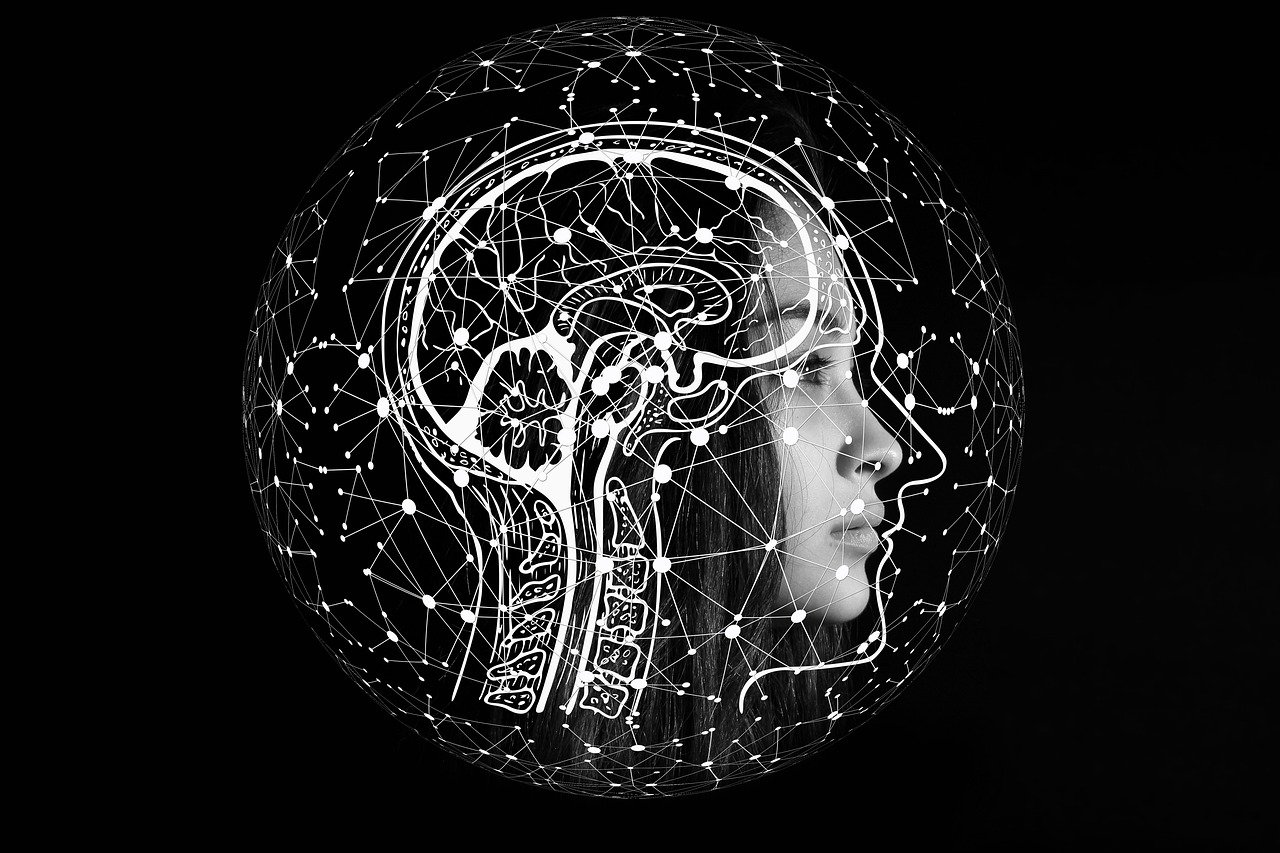
The conversation around Artificial Intelligence in graphic design often fluctuates between awe and anxiety. As we look toward the future, the narrative is shifting: AI is not a replacement for the designer, but an unprecedented catalyst for speed, scalability, and creative exploration.
The Shift from Production to Curation
The most immediate impact of AI is the elimination of repetitive, time-consuming tasks. We are moving away from manual, pixel-level labour toward a more strategic role. Tools that automate background removal, grid layouts, or colour variations allow designers to focus on what truly matters: problem-solving and conceptual strategy. Instead of spending hours on a single technical execution, we can now iterate a dozen high-level concepts in the same time frame, acting as creative directors over our own tools.
Coexistence and High-Speed Execution
The future of design lies in coexistence. In a fast-paced market where brands need to respond to trends in real-time, AI provides the "mechanical advantage" necessary to maintain quality at high speeds. Whether it’s generating unique textures for an illustration or optimising UI layouts for different screen sizes, AI serves as a high-performance engine. However, the engine still needs a driver. It lacks the human context, the cultural nuance, and the emotional empathy required to tell a story that truly connects with an audience.
A Positive Outlook: The Human Edge
Ultimately, AI is making the design world more accessible and efficient, but it is also raising the bar for what "good design" means. As the speed of production increases, the value of a designer’s unique perspective and analytical mindset becomes the true premium. By embracing these tools, we aren't just working faster—we are expanding the boundaries of what we can create. The future of graphic design isn't Human vs. Machine; it’s Human plus Machine, delivering better solutions at the speed of thought.
date published
Nov 10, 2025
reading time
5 min
